
Describe the property
Send the location, symptoms, equipment and access details. State whether the work is a repair, replacement or planned project.
Need plumbing help in Paris? Tell us about the leak, blocked drain, fixture or water heater. A responding provider will confirm coverage and availability before booking.
Get A Free QuoteCompare tank and tankless options using household demand, existing fuel and venting, and the measured route through a cellar or stairway.
View scopeDescribe affected fixtures and recurring symptoms. Pipe material and camera findings can help distinguish a blockage suitable for cleaning from a damaged section.
View scopeCompare replacement materials and access routes for galvanized or poly-B lines, including planned openings and the sequence for an occupied home.
View scopePlan fixture compatibility, rough-in locations, and basement drain elevation before choosing finishes or setting a renovation budget.
View scopeRecord when and where moisture appears. Pressure testing and locating methods can help distinguish a plumbing leak from another source.
View scopeReview pump capacity, power backup, discharge routing, and the separate role a backwater valve may play at the property.
View scopeUse a water test to compare softener capacity and any filtration stages needed for measured well-water concerns.
View scopeTreatment equipment should be selected from a test of the water serving the property, not from appearance or assumptions about location. For a Paris home, first establish whether the supply is municipal or a private well, then test the relevant characteristics before comparing a softener or filters. If a well sample shows iron or odour concerns, ask what treatment stages address the measured results. Check space, drain access, and bypass arrangements too, since these affect installation and future servicing.
Compare tank and tankless options using household demand, existing fuel and venting, and the measured route through a cellar or stairway. Describe affected fixtures and recurring symptoms. Pipe material and camera findings can help distinguish a blockage suitable for cleaning from a damaged section. Compare replacement materials and access routes for galvanized or poly-B lines, including planned openings and the sequence for an occupied home.
Plan fixture compatibility, rough-in locations, and basement drain elevation before choosing finishes or setting a renovation budget. Record when and where moisture appears. Pressure testing and locating methods can help distinguish a plumbing leak from another source.
Review pump capacity, power backup, discharge routing, and the separate role a backwater valve may play at the property. Use a water test to compare softener capacity and any filtration stages needed for measured well-water concerns.
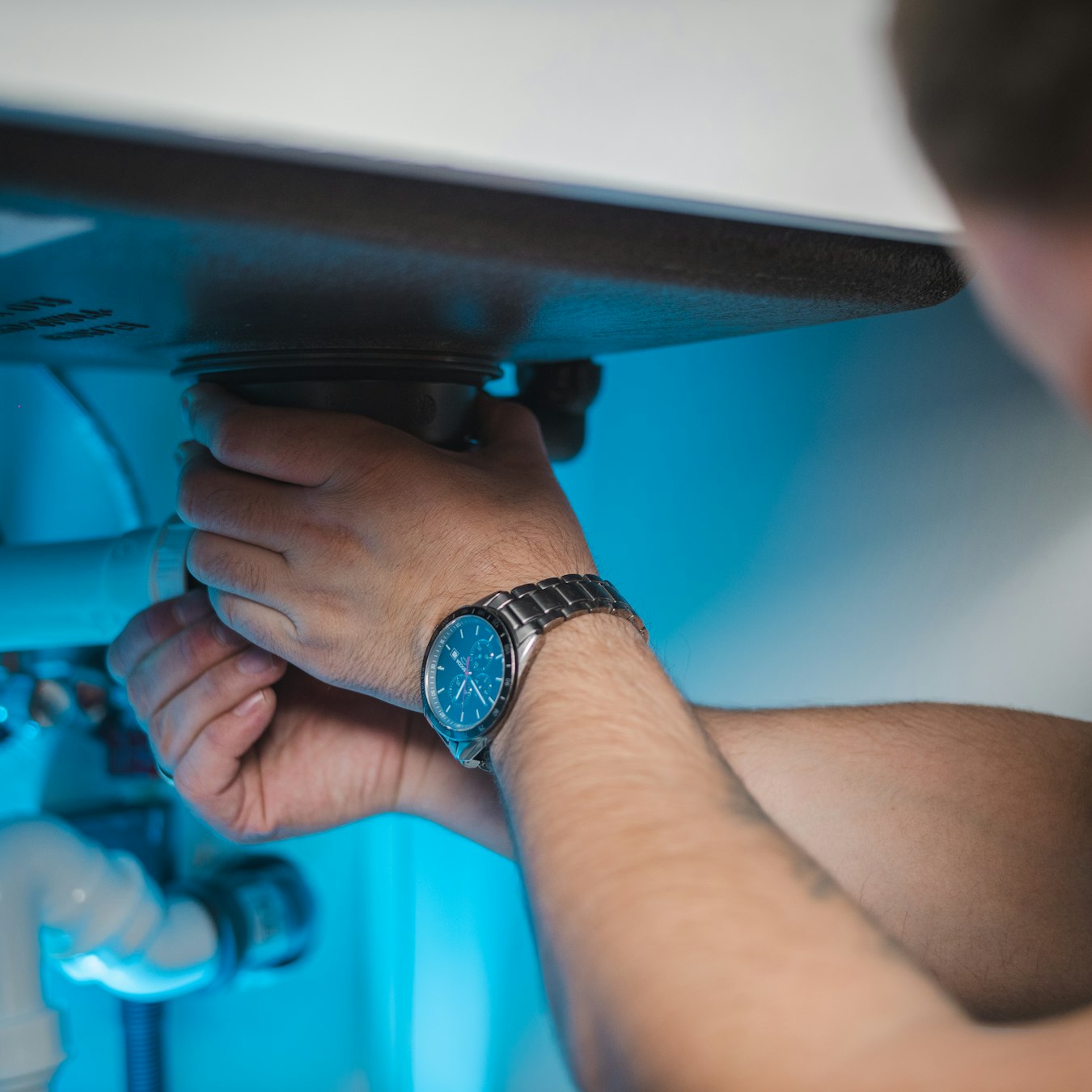
A recurring blockage can come from grease, scale, roots, a damaged joint, or a low section of pipe. For a drain-cleaning job in Paris, note which fixtures are affected, when the problem occurs, and whether previous clearing helped. If the line is older clay, has recurring root growth, or serves a basement fixture, ask whether a camera inspection is appropriate after clearing. The pipe material and condition help determine whether cleaning is sufficient or further repair should be considered.
Explore this serviceSend the location, symptoms, equipment and access details. State whether the work is a repair, replacement or planned project.
The request is reviewed so the responding provider can clarify the work, property access and service coverage.
Agree the provider identity, qualifications, written scope, pricing and visit window directly. Sending a form does not confirm an appointment.
Note whether one sink, several fixtures, or a basement drain is affected, and whether flushing or appliance use changes the symptoms. If more than one fixture backs up, the issue may be farther along a shared line. That distinction helps identify which section should be inspected and cleared.
Ask for a proposed route and mark plaster, tile, or other finishes that need particular care. If framing voids provide a path, flexible PEX may reduce the number or size of openings; copper may suit a different layout. Material choice and access planning influence both installation and patching scope.
Before budgeting a below-grade bathroom, locate the nearest drain and compare its elevation with the proposed fixtures. If gravity drainage is not possible, ask whether a pumping arrangement is needed and where it could fit. The route and equipment choice can affect floor work, access, and the renovation plan.
Note whether moisture follows rainfall, changes when fixtures run, or appears independently of plumbing use. If the building has a stone foundation, photograph cracks, joints, and damp areas for assessment. These observations are clues, not a diagnosis, and help determine whether plumbing tests or a separate drainage review is warranted.
For a private well, note staining, odour, and any existing test results. Ask whether iron, sulphur-related odour, or other measured conditions require separate treatment stages, such as oxidation followed by filtration. The sequence and equipment depend on the actual levels; one general-purpose filter may not address every result.
Use the form to describe the property, the symptoms and the work requested. For St. George, Glen Morris, Mount Pleasant, Ayr, include your postal code so local coverage can be checked.
Use the listed places to find service information or start an inquiry. Include your property address or postal code so the provider can confirm coverage and scheduling.